
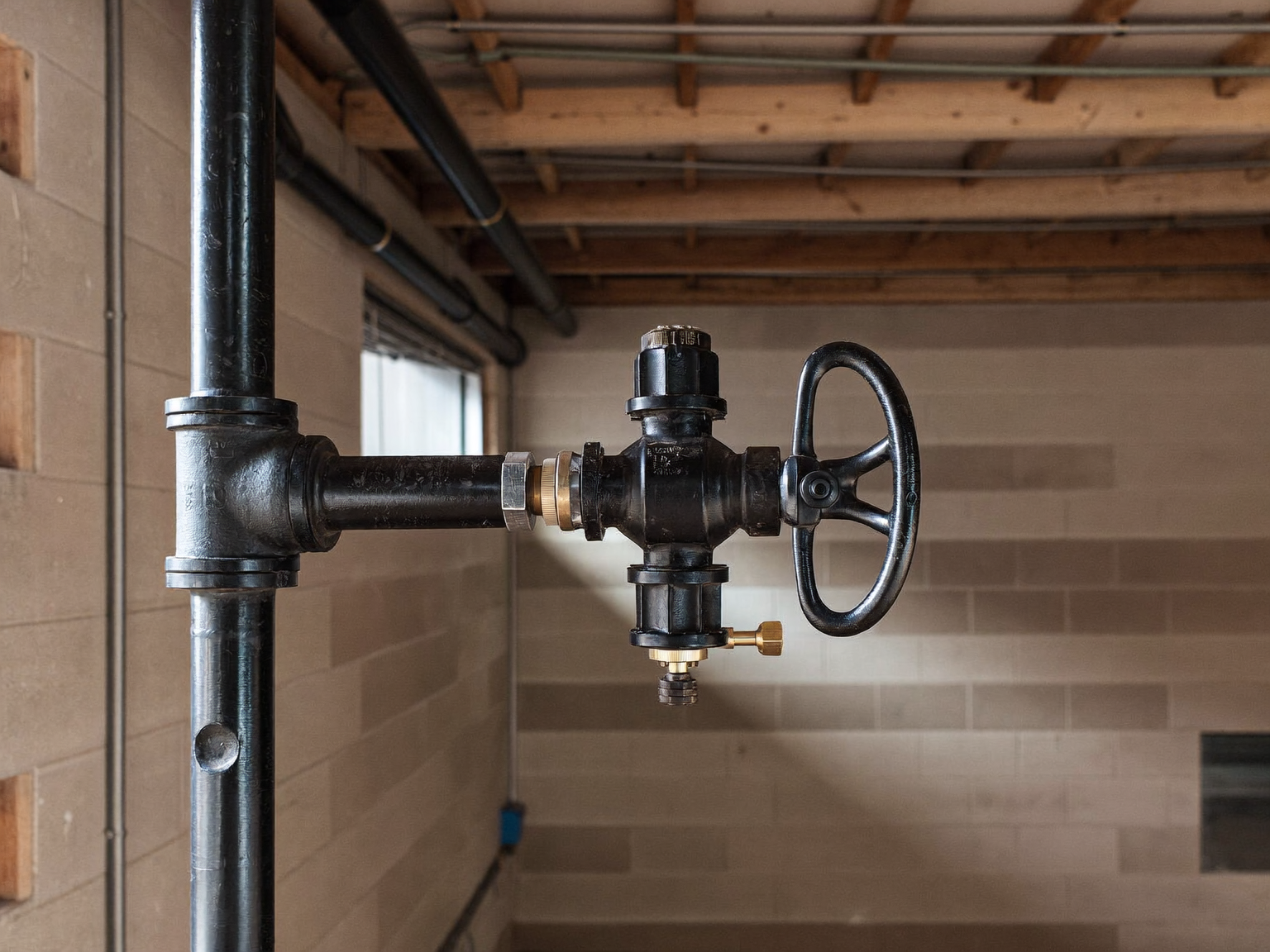
Thornton gas line installation makes sense when a new gas appliance cannot be safely served by the existing piping, or when an electric appliance is being converted to gas. We first confirm appliance demand, available system capacity, the proposed route, ventilation, and local permit requirements before recommending new piping.
Homes across Thornton, Colorado vary from postwar properties near Original Thornton to newer subdivisions around Eastlake, Hunters Glen, and Trail Winds. That range of housing stock means there is no standard gas-line plan. Existing pipe material, meter location, finished walls, mechanical-room layout, soil, and appliance specifications all affect the work.
Our focus is not simply getting a pipe from one point to another. A sound plan must deliver the required fuel, protect the piping, provide accessible shutoffs, and pass the applicable inspection. Our Thornton gas line installation service begins with that full-system assessment.
Start With the Appliance, Not the Pipe
A gas line is part of a complete fuel-burning system. The appliance manufacturer specifies fuel input, connection requirements, clearances, combustion air, and venting. Those details must be known before pipe sizing or route selection begins.
Capacity Must Be Checked Across the Whole House
Adding an appliance changes the demand on the entire gas piping system. A branch that looks large enough at the destination may still be limited by an undersized upstream section, a long route, or the meter and regulator serving the property.
Thornton Housing Changes the Route
Thornton contains homes from several building periods. In Original Thornton homes, gas piping may run through compact crawlspaces, utility rooms, or unfinished basement ceilings. Newer homes farther north and east may have finished basements, engineered floor systems, attached garages, and mechanical rooms located deeper inside the floor plan.
Existing indoor gas piping is often black steel or listed corrugated stainless steel tubing, commonly called CSST. Exterior underground work may use listed polyethylene piping with approved transitions and tracer provisions. We confirm what is actually installed because materials cannot be identified reliably from age or neighborhood alone.
Soil and Winter Conditions Matter Outdoors
Thornton sits along the northern Denver metro, where Front Range weather brings freezing temperatures, rapid temperature changes, wind, and periods of dry soil. Soil conditions can vary across a property, including clay-bearing ground that moves as moisture conditions change. Outdoor piping must be selected, buried, supported, transitioned, and protected for its environment.
Permits, Testing, and Appliance Safety Are Connected
Gas work affects fuel delivery, combustion, and indoor air safety. It should not be treated as a casual do-it-yourself branch connection. Permit and inspection requirements depend on the project scope and the authority responsible for the property.
Water Service Records Do Not Identify Gas Piping
The City of Thornton provides water service across much of the community, while service arrangements can vary by address. Water meters, curb stops, and irrigation records concern the water system, not the gas service. A water utility marking therefore does not tell us where a private gas line runs.
This distinction matters on properties with several buried systems. A yard may contain water service, irrigation tubing, drainage, electrical conduit, communications lines, and gas piping. Public utility locating is an essential starting point, but it may not identify every privately installed line between a house and an outdoor appliance.
What Affects the Scope of a Thornton Gas-Line Project?
We do not treat every appliance connection as the same job. Scope depends on the appliance demand, available meter and piping capacity, route length, pipe material, access, number of transitions, wall or ceiling finishes, trenching conditions, utility conflicts, venting, combustion air, permit requirements, and whether other appliances must be temporarily taken out of service. A clear proposal should state what piping is being installed, how restoration is handled, who coordinates inspection, and whether appliance startup is included.
For a broader look at the sequence from assessment through inspection, see our article on how gas line installation works in Longmont. Thornton projects follow the same safety principle, but the final plan must reflect Thornton’s authority, the specific home, and the appliance being installed.
Plan the Installation Before Buying Around It
The best time to assess a gas line is before the appliance is delivered, cabinets are installed, or a patio is finished. Having the model information and a basic site plan allows us to evaluate capacity, route, venting, and access while changes are still manageable.