
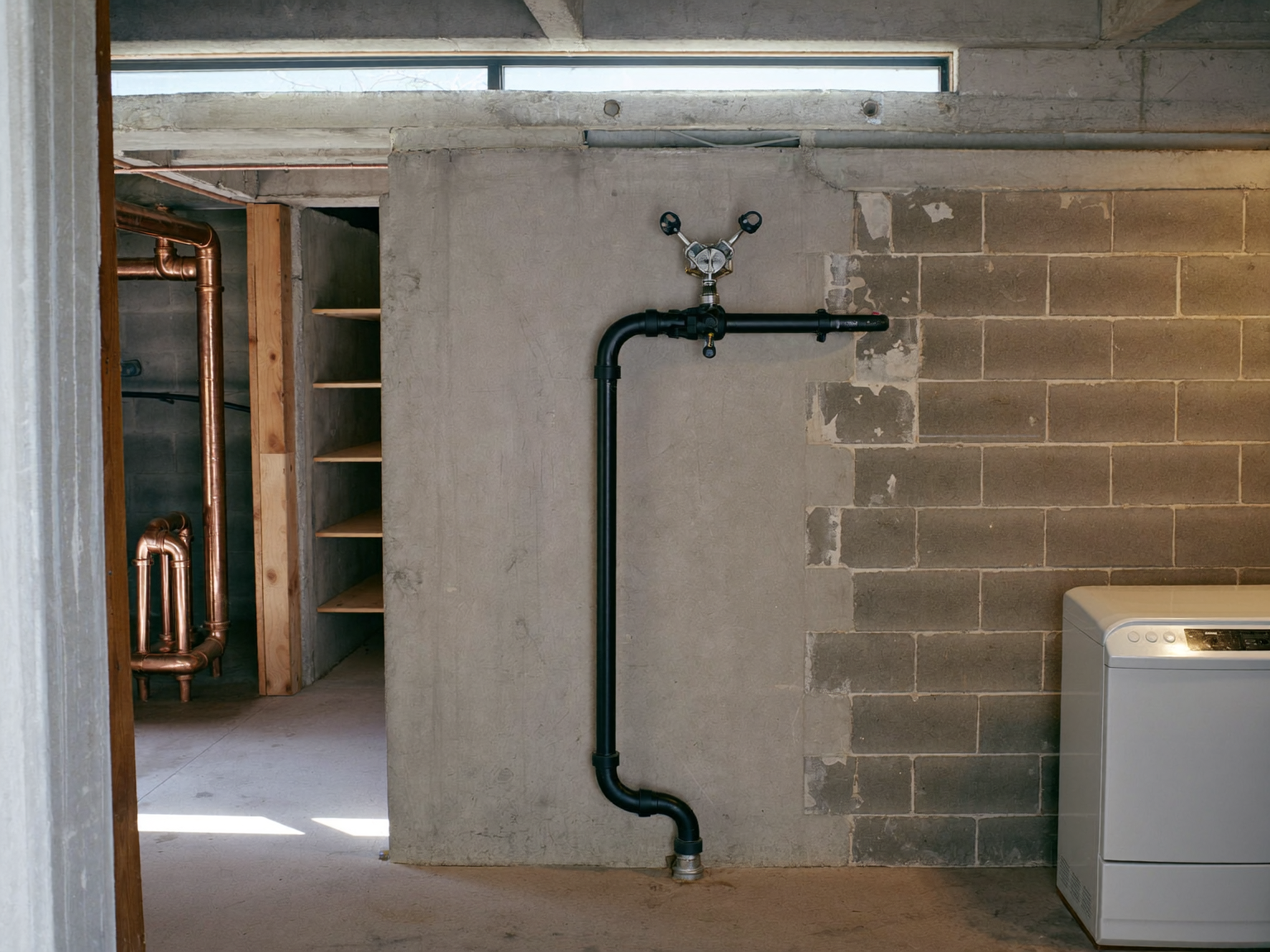
Gas line installation in Longmont starts with appliance requirements, pipe sizing, route planning, permits, and coordination with the gas utility when needed. We install the approved piping, pressure-test the completed system, arrange inspection, and connect the appliance only after the line is cleared for service.
For homeowners in the Longmont service area, the details depend on the age of the house, the existing gas system, the appliance location, and whether the route stays indoors or passes underground. A safe installation is not simply a matter of extending the nearest pipe.
Start With the Appliance and Existing System
A new gas range, dryer, fireplace, water heater, boiler, or outdoor appliance creates a specific demand on the fuel system. We begin by reviewing that demand and determining whether the existing piping and meter can support it.
Plan the Route Around the Longmont Home
Our approach to gas line installation in Longmont changes with the building. Longmont includes older homes around Old Town, established subdivisions with finished basements, rural-edge properties, and newer construction around areas such as Prospect New Town. Each setting creates different access and routing choices.
Account for Soil, Utilities, and Water Service
Longmont sits along the northern Front Range near St. Vrain Creek. Soil conditions can vary from clay-rich ground to areas influenced by alluvial deposits. We treat the actual property as the controlling condition because fill, grading, drainage, and previous excavation can change within a neighborhood.
Permits, Testing, and Inspection
Gas work must follow the current code and the requirements of the authority overseeing the property. Longmont projects generally involve city permitting and inspection, while addresses outside city limits may fall under a different jurisdiction. We verify the applicable authority before work begins.
Installation Cost Depends on Scope, Not One Detail
We do not treat every appliance connection as the same project. The cost is shaped by the route, pipe size and material, access, permits, inspection requirements, excavation, wall or ceiling openings, meter coordination, and whether the existing system needs correction.
A short accessible run in an unfinished mechanical area is different from a route through finished living space or beneath a yard. Appliance venting, electrical work, cabinetry, concrete repair, and exterior restoration may also fall outside the gas-piping scope. We define those boundaries before work begins. Our article about DIY plumbing versus professional service explains why project scope matters, but gas piping should not be used as a trial-and-error home repair.
Gas demand can also affect related equipment decisions. For example, a tankless water heater often requires a careful fuel-load review, as discussed in our guide to tankless water heater installation for a Golden home. A conventional replacement can raise similar questions when the new unit differs from the old one, which is why our overview of the water heater replacement process in Westminster includes planning beyond simply removing the tank.
Scheduling Service From Westminster to Longmont
We serve Longmont from our Westminster base. The drive commonly runs north using routes such as US 287 or I-25 with CO 119, depending on the property and current road conditions. Drive time is not fixed because traffic, construction, weather, and the part of Longmont being served all affect dispatch. Homes near Old Town present a different approach than properties toward southwest Longmont or the eastern edge of the city.
Our familiarity with the Westminster service area also helps us account for the same Front Range concerns that continue north toward Longmont, including freeze exposure, expansive soils, finished basements, and mixed generations of residential construction. We confirm access details and appliance information when scheduling so we can arrive prepared for the assessment.
How Should Longmont Homeowners Prepare?
Clear access to the gas meter, mechanical room, proposed appliance location, crawlspace opening, and any relevant unfinished ceiling area. Do not disconnect a gas appliance or open piping to prepare for the visit. If gas odor is present, leave the building, avoid switches and ignition sources, and contact the gas utility or emergency services from a safe location.
For a planned project, gather the appliance manual and note whether cabinets, patios, landscaping, or finished surfaces are still being designed. Early coordination gives us more route options and reduces the chance that completed finishes need to be opened later. We can then evaluate sizing, material, utility coordination, permits, testing, and inspection as one installation plan.
Homeowners can review our Longmont plumbing service area before scheduling an assessment. We will explain what belongs in the gas-line scope, what requires utility involvement, and what other trades may need to complete before the appliance is ready for use.