
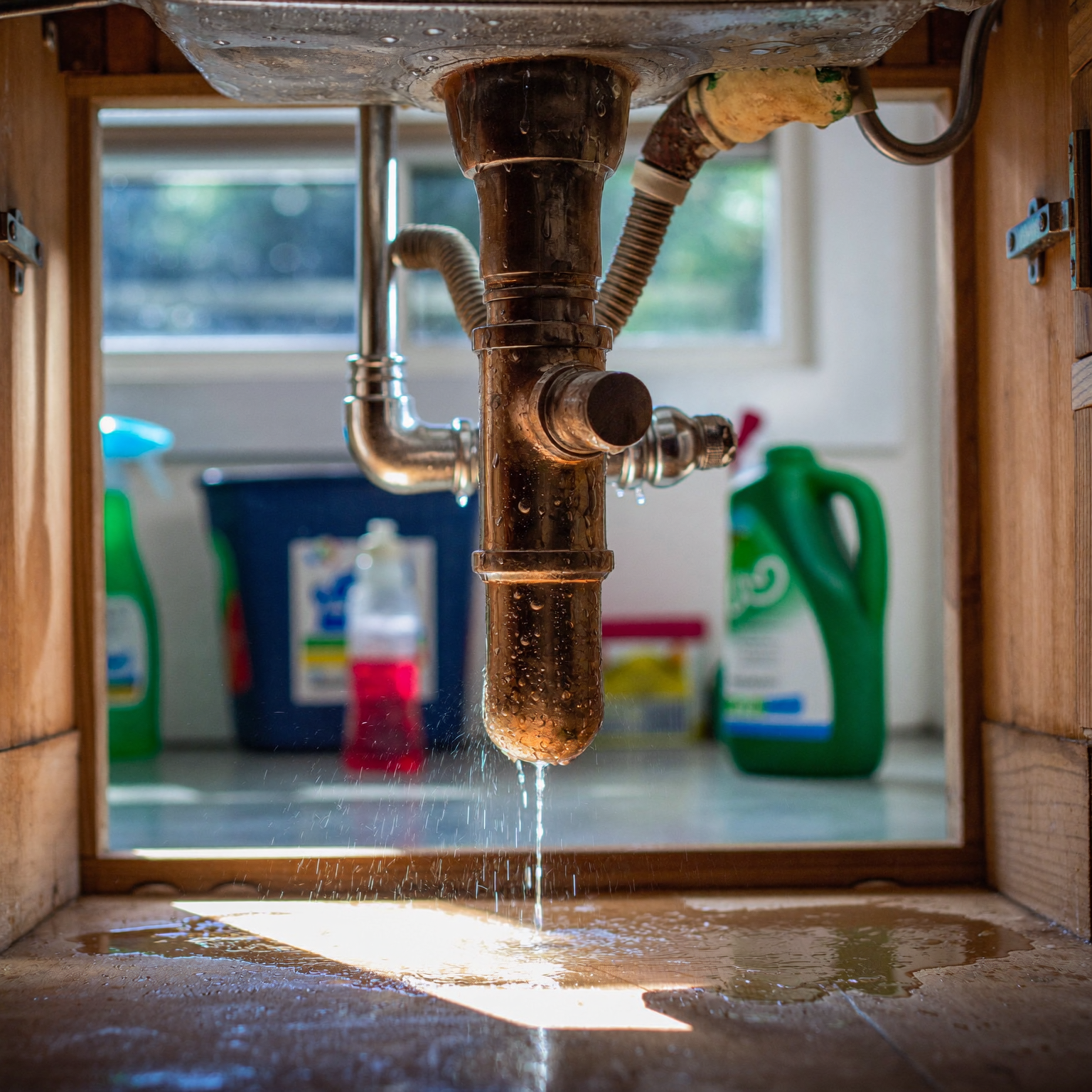
Call a 24/7 plumber when active water, sewage, gas-related equipment, or loss of essential plumbing creates an immediate risk to people or property. If the problem is contained, isolated, and stable, it can usually wait for a scheduled visit, but any uncertainty about safe control makes an after-hours call the right choice.
How to Decide Whether a Plumbing Problem Can Wait
A plumbing emergency is defined by risk, not inconvenience alone. We look at where the water or waste is going, whether the source can be shut off, and what could be damaged if the condition continues. We also consider whether the home remains safe and usable.
A dripping faucet is normally suitable for a scheduled repair. Water running through a ceiling is not. One slow drain may be inconvenient, while wastewater rising from several fixtures can expose the household to contamination.
Homeowners looking for a 24-hour plumber in Denver should begin by asking whether the problem is active, contained, and getting worse. Those three points usually reveal how urgent the response should be.
What to Do Before the Plumber Arrives
The safest first step is to stop the source without entering standing water or touching wet electrical equipment. Do not take apart pressurized piping, cut into walls, or handle gas controls unless you are trained and the equipment instructions specifically permit it.
Take these basic steps when conditions allow:
- Close the nearest working fixture shutoff for a leaking toilet, faucet, or appliance.
- Close the main water valve if the leak cannot be isolated.
- Stop using every drain when sewage is backing up.
- Turn off a leaking electric water heater at the breaker only if the electrical panel and surrounding floor are dry.
- Move people, pets, valuables, and absorbent belongings away from the affected area.
- Photograph visible damage from a safe position before cleanup begins.
- Avoid chemical drain cleaners because they can remain in the pipe and create an exposure hazard during service.
Denver Metro Conditions That Affect Urgency
Homes across the Denver metro contain a wide range of plumbing materials and layouts. Some have finished basements with supply lines concealed above ceilings. Others have crawl spaces, older drain piping, exterior hose connections, or plumbing near poorly insulated walls. Those differences change how quickly a leak or freeze can damage the building.
We provide after-hours help across communities including Westminster, Lakewood, and Brighton. When you call, describe the home type and the location of the problem so we can better understand the likely access conditions.
A Simple Final Test
Call a 24/7 plumber if water or sewage is spreading, if you cannot isolate the source, if essential plumbing is unavailable, or if the condition may affect electrical or combustion safety. Also call when a frozen pipe, hidden leak, or main drain blockage appears stable but could release water or waste as conditions change.
A contained drip with a working shutoff can often wait. An uncontrolled leak, sewage backup, suspected gas or venting problem, or unexplained whole-home outage should not. When the situation falls between those examples, we would rather help you assess the risk than have you discover additional damage later.