
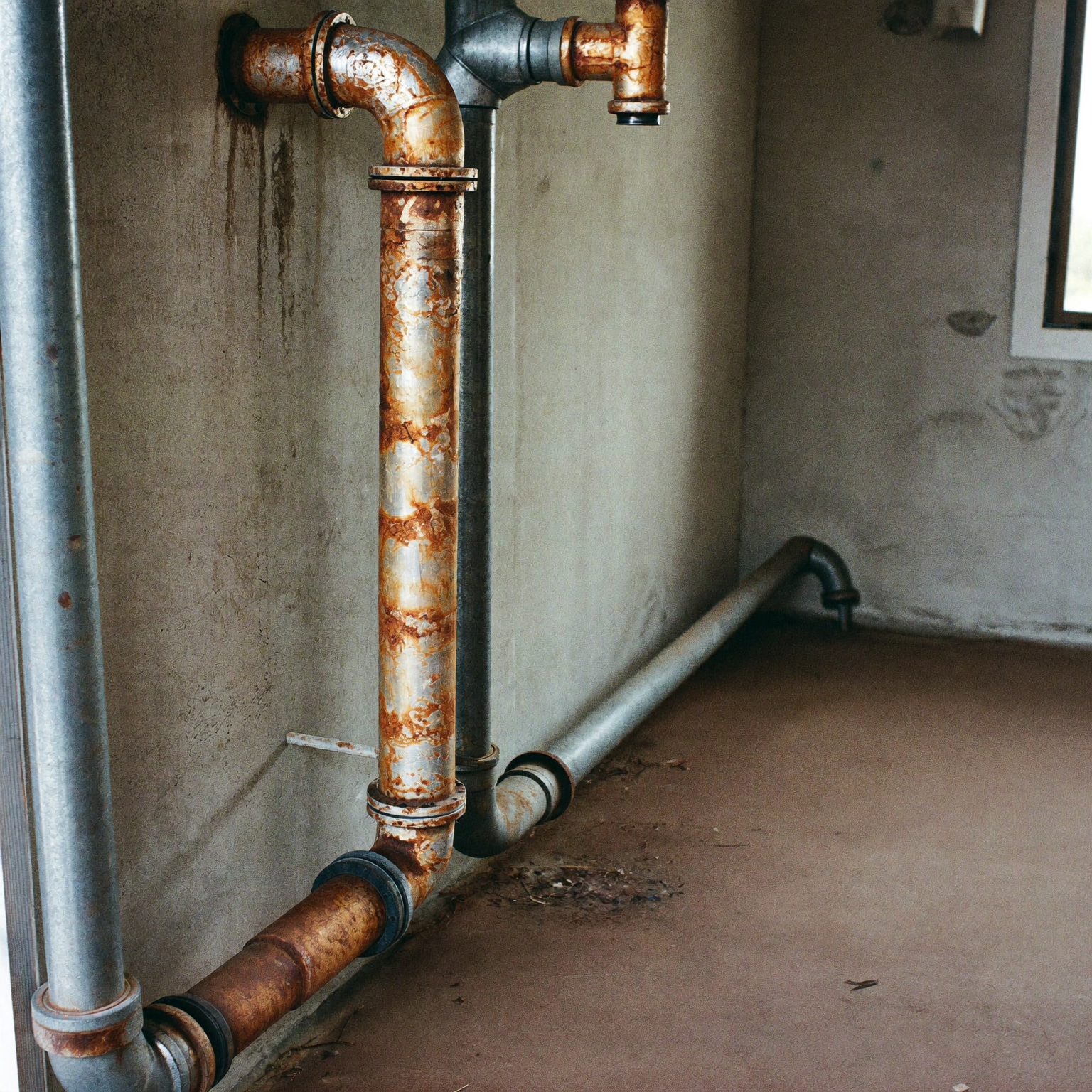
Wheat Ridge cast iron and galvanized pipe replacement is appropriate when inspection finds active deterioration, restricted flow, recurring leaks, or damage that isolated repairs cannot reliably correct. We evaluate the drain and water systems separately, then determine whether targeted replacement or a coordinated repipe makes more sense.
Cast iron and galvanized steel are not interchangeable terms. Cast iron was commonly used for drain, waste, and vent piping. Galvanized steel commonly carried pressurized water to sinks, showers, toilets, and other fixtures. A Wheat Ridge home can contain either material, both materials, or a patchwork created by earlier remodeling.
Why these pipes appear in Wheat Ridge homes
Wheat Ridge has a varied housing stock that includes earlier cottages, postwar ranch homes, split-level houses, and extensively remodeled properties. Older piping is especially plausible around established areas such as Fruitdale, Bel Aire, Paramount Heights, and the neighborhoods near West 38th Avenue. Age alone does not prove that replacement is needed, but it tells us which materials and alterations we should expect to find.
Our Wheat Ridge plumbing service area includes homes near Wadsworth Boulevard, Kipling Street, Interstate 70, and the Applewood side of the city. From our Westminster shop, Wheat Ridge is a direct trip south through the west metro, commonly using Wadsworth or another nearby north-south route. Actual drive time depends on the address, construction, school traffic, and conditions along the Interstate 70 corridor.
Cast iron drains and galvanized water lines fail differently
A useful inspection begins by separating pressure-side symptoms from drainage symptoms. Low flow at several fixtures can point toward restricted galvanized water piping. Slow drains, sewer odor, or leakage around a stack point toward the drain system. Treating every symptom as one whole-house problem can lead to unnecessary demolition or an incomplete repair.
How we decide between repair and replacement
Replacement should address a defined failure pattern. One accessible galvanized fitting that has started leaking does not always require opening the whole house. Likewise, a damaged cast iron branch does not automatically condemn every stack. The decision changes when corrosion is widespread, flow remains poor throughout the home, or repairs have accumulated across multiple sections.
Our Denver cast iron and galvanized piping replacement and repiping services begin with a material map and a practical access plan. We identify the water service entry, main shutoff, water heater connections, fixture branches, drain stacks, horizontal drains, cleanouts, and previous transitions. That scope lets the homeowner see which pipes are being replaced and which sound sections can remain.
Wheat Ridge soil and freezing considerations
Front Range soils can include expansive clay and areas of variable fill. Movement matters most to buried piping, foundations, and the points where drains or water services pass through a wall or slab. Cast iron inside the building can also be stressed if settling changes alignment or places weight on an unsupported fitting.
Wheat Ridge also experiences winter freezing conditions. Interior pipes are protected by the building, but galvanized lines in crawlspaces, garages, exterior walls, and poorly insulated additions can be vulnerable. Freeze damage may split a weakened section or expose corrosion that was already advanced. If a pipe freezes, thawing it does not resolve restricted or deteriorated galvanized steel. Our article on preventing frozen plumbing pipes explains seasonal precautions that remain important before and after repiping.
Nearby housing patterns can offer useful context without replacing an inspection. Homes toward Applewood plumbing service areas may have similar combinations of original ranch-house plumbing and later additions. Properties closer to Lakewood plumbing service areas can also contain mixed materials from decades of remodeling. The exact installation in the home matters more than the neighborhood label.
What a replacement plan should include
A clear scope identifies the new pipe material, route, connection points, access openings, supports, shutoffs, fixture reconnections, testing, and permit responsibilities. PEX and copper are common options for water distribution. Drain replacements may use an approved plastic system or cast iron where sound control, building conditions, or code requirements support it. We select materials based on the specific installation rather than treating one product as the answer for every house.
Planning the next step
Homeowners do not need to wait for a major leak to investigate old piping. An inspection is especially useful before finishing a basement, renovating a kitchen, replacing extensive drywall, or buying a home with visible galvanized or cast iron pipe. Those moments provide a chance to solve access and sequencing issues before new finishes cover the system.
Water service piping outside the home should also be distinguished from interior galvanized distribution. If low flow begins at the service entry, the diagnosis may involve the buried water line rather than only indoor branches. Our discussion of water line replacement decisions in Centennial covers the separate repair-versus-replacement logic used for an exterior service line.
For a property in Wheat Ridge cast iron and galvanized pipe replacement service areas, we start by confirming the pipe materials and tracing where each system runs. We then document active failures, likely restrictions, access conditions, and any sections that can reasonably remain. The result should be a specific replacement plan, not a recommendation based only on the home’s age.