Commerce City homeowners need backflow preventer testing when a water utility requires it, after certain device repairs or replacements, or when an irrigation or other cross-connected system is placed in service. The test confirms that the assembly can stop contaminated water from moving backward into the drinking-water supply.
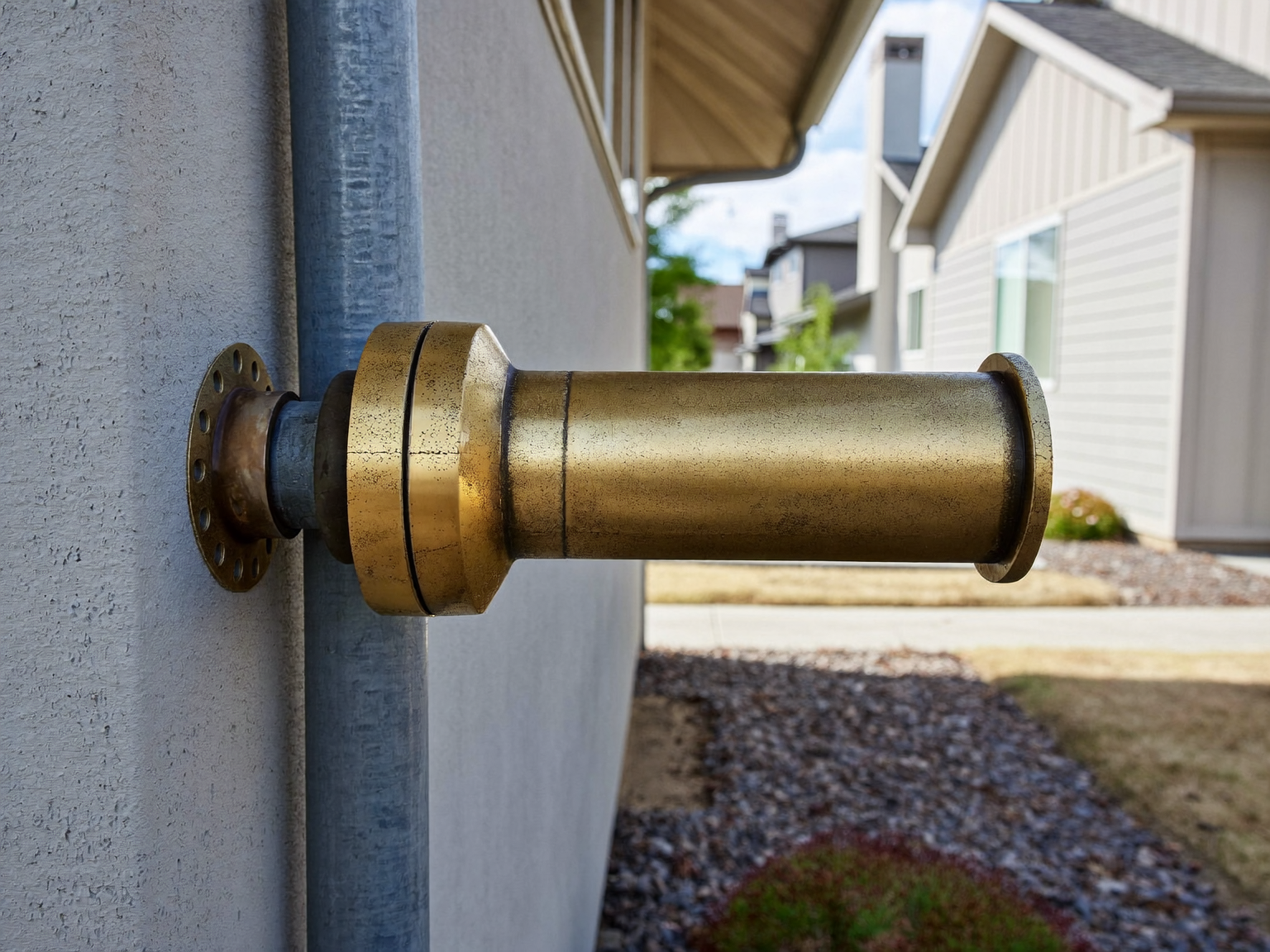
For many homes, the relevant device is attached to a lawn irrigation system. Backflow protection may also serve a boiler fill line, fire suppression system, pool equipment, or another connection where potable water meets a nonpotable system. Our Commerce City backflow preventer testing focuses on identifying the assembly, checking its condition, testing its internal components, and documenting the result required by the applicable water provider.
Why Backflow Protection Matters in Commerce City
Water normally moves from the public main through the service line and into a home. Pressure changes can reverse that direction. If a cross-connection is present, irrigation water, treatment chemicals, boiler water, or other contaminants could be pulled or pushed toward the potable system.
Much of Commerce City receives water through the South Adams County Water and Sanitation District. Service arrangements can vary by address, especially across a city that includes an older southern core, industrial corridors, and newer northern development. We recommend checking the water bill or utility notice rather than assuming which agency controls testing and reporting for a particular property. Homeowners can also use our Commerce City plumbing service area page when planning local service.
How Testing Works
A backflow test is a functional check, not just a visual inspection. The technician uses the assembly's test ports and a calibrated gauge to determine whether its check valves, relief components, and shutoff valves respond correctly. The exact procedure depends on the device type.
Testing can briefly interrupt water to the connected system. For an irrigation assembly, that usually affects the sprinkler supply rather than every fixture in the home. If the assembly serves a broader building system, we review the shutdown plan before beginning. Backflow testing can be coordinated with other whole-home plumbing services when there are concerns about valves, pressure, leaks, or aging supply piping.
Local Conditions That Affect Backflow Assemblies
Commerce City spans very different types of development. The older core includes modest detached homes, additions, mixed-use properties, and plumbing that may contain galvanized steel, copper, or later replacement materials. Northern neighborhoods generally have newer housing where copper and PEX are more common. We do not identify a home's pipe material by neighborhood alone. We inspect the visible plumbing and the backflow assembly itself.
The local climate matters because many irrigation backflow devices sit outdoors or in shallow enclosures. Front Range temperature swings can leave exposed brass bodies and small internal passages vulnerable when water remains trapped during freezing weather. Wind exposure can accelerate heat loss around an assembly even when the rest of the yard appears protected.
Commerce City also has areas with clay-rich soil. Expansive soil movement does not directly determine whether an internal check valve passes, but it can shift buried irrigation piping, tilt boxes, strain fittings, or reduce drainage around an installation. A test should therefore include a practical look at the piping and support around the device rather than treating the assembly as an isolated part.
When to Arrange Testing
The most reliable scheduling trigger is a written notice from the water provider. That notice may identify the assembly, the reporting deadline, and any tester qualification or form requirements. Keep the notice available when arranging service because the account details help match the result to the correct property and device.
Testing is also appropriate after a testable assembly is installed, replaced, rebuilt, moved, or returned to service following damage. A homeowner buying a property with irrigation can ask for prior records, but an old report does not establish the current condition of a device that may have frozen, been altered, or remained unused.
Preparing for the Appointment
Locate any utility notice, previous test report, or irrigation paperwork before the visit. Clear stored items and vegetation away from the assembly. If the device is inside a locked room, fenced yard, or irrigation enclosure, make sure access is available. Tell us about known shutoff problems, recent freeze damage, sprinkler repairs, or water pressure changes.
Do not paint over test ports, force a seized valve, or dismantle the assembly before testing. Disturbing worn parts can create a leak and may make it harder to determine the original cause of a failure. If water is already spraying from a cracked body, shut off the irrigation branch when it can be done safely and keep people away from the damaged area.
Our shop is in Westminster, and the route to Commerce City depends on the property's location. Trips toward the southern and central parts of the city may use US 36 and I-270, while northern neighborhoods may be reached through the east-west corridors serving Thornton and the north metro. Freight traffic, construction, weather, and the specific neighborhood all affect drive time, so we confirm scheduling rather than promising a fixed travel interval. Homeowners near our base can review our Westminster service area, while nearby households east of Westminster can use our Thornton plumbing service area.
Getting the Right Test for the Property
A good appointment starts with the correct property address, utility information, device type if known, and reason for testing. We then determine whether the assembly is accessible, testable, and in serviceable condition. If it passes, the result can be documented as required. If it fails, we explain which component did not perform and whether repair or replacement is appropriate.
Commerce City contains older housing, newer planned neighborhoods, commercial corridors, and properties with unusual water arrangements. That variety makes address-specific evaluation important. Our Commerce City plumbing team can inspect the actual installation instead of making assumptions from the age or appearance of the home.
Backflow preventer testing is ultimately a focused safety check. It verifies that the barrier between a potential contamination source and the drinking-water system still works. When a notice arrives, an assembly has been serviced, or an outdoor device may have suffered freeze damage, scheduling the test promptly provides a clear result and a practical next step.